
Table of Contents
Muffle furnaces are indispensable tools in industrial and laboratory environments, playing a vital role in quality control processes. These versatile devices are used for high-temperature testing, material characterization, and ensuring the integrity of products. Their ability to provide precise, controlled heating in a non-oxidizing environment makes them invaluable in various sectors, including manufacturing, metallurgy, ceramics, pharmaceuticals, and environmental testing.
What is a Muffle Furnace?
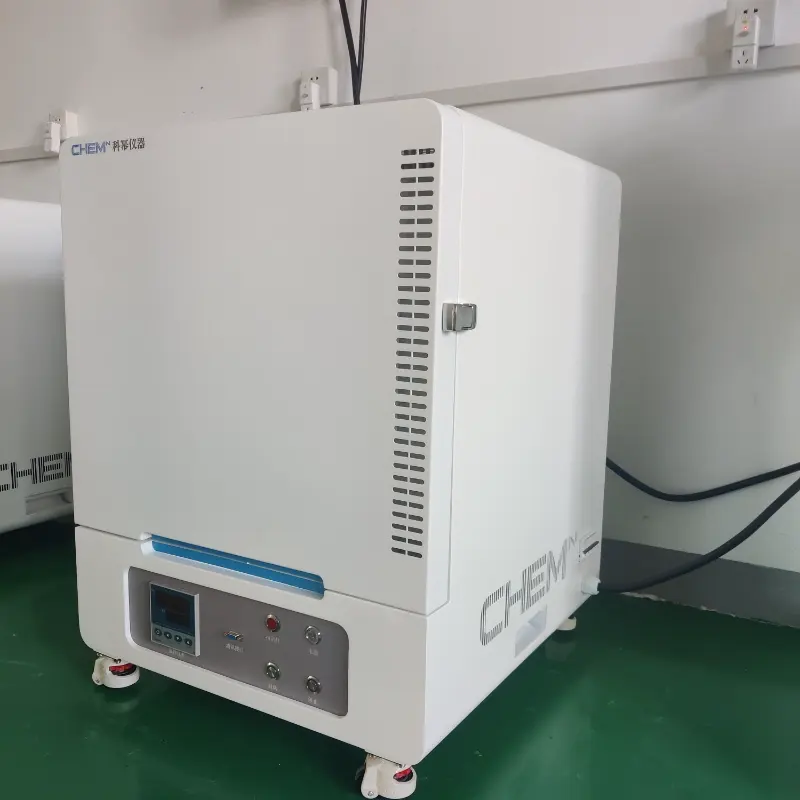
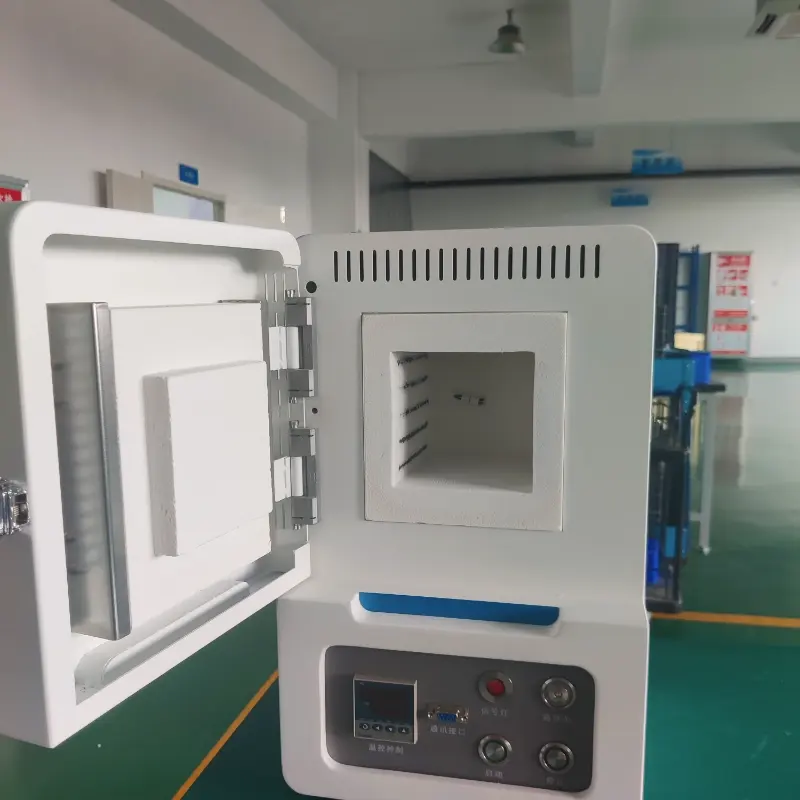
A muffle furnace is a high-temperature heating chamber used to perform processes such as annealing, sintering, and ashing. Unlike traditional furnaces, the muffle furnace features a sealed chamber, or “muffle,” that isolates the heating elements from the materials being processed. This ensures that the products inside the furnace are subjected to uniform heat distribution without direct contact with the heating elements, reducing the risk of contamination and oxidation.
Typically, lab muffle furnaces can reach temperatures ranging from 800°C to 1800°C, depending on the model and intended application. These furnaces are crucial for processes that require controlled heating, precise temperature regulation, and a clean, contaminant-free environment.
Applications in Quality Control
Material Testing and Analysis
In quality control, muffle furnaces are primarily used for testing materials at high temperatures. This includes determining the composition, strength, and behavior of metals, ceramics, and polymers under extreme conditions. For instance, muffle furnaces are essential for determining the ash content in coal, plastics, and other organic materials. By heating the sample to a specific temperature, the furnace helps eliminate volatile compounds, leaving only the inorganic residue, which can then be analyzed.
Metallurgical Quality Control
Metals and alloys often undergo heat treatment processes such as annealing, hardening, and tempering in muffle furnaces. These processes alter the material’s microstructure to improve mechanical properties, such as hardness, ductility, and strength. Muffle furnaces ensure that the temperature is evenly distributed and can be precisely controlled, which is crucial in avoiding defects like warping or inconsistent hardness. By using a muffle furnace, manufacturers can guarantee that their products meet industry standards and specifications.
Sintering and Ceramics Production
The production of ceramics and other composite materials requires sintering, a process that involves heating powdered materials to a point where they fuse together into a solid structure. Muffle furnaces provide the necessary environment for this process, allowing manufacturers to control the heating rate and sintering temperature to achieve the desired properties in the final product. This ensures that ceramics are durable, functional, and meet the required quality standards for applications such as electronics, medical devices, and construction materials.
Environmental and Pharmaceutical Testing
Muffle furnaces are used in environmental testing to assess the levels of pollutants, heavy metals, and other harmful substances in various samples. By heating samples to high temperatures, the furnace can burn off organic materials and leave behind a residue that can be analyzed for its chemical content. In the pharmaceutical industry, muffle furnaces are used for ashing processes to test the purity of pharmaceutical compounds and ensure compliance with safety and efficacy standards.
Precision Heat Treatment for Electronics and Components
In the electronics industry, muffle furnaces are used for the heat treatment of components like semiconductors and circuit boards. The controlled environment ensures that sensitive materials are not exposed to contaminants or thermal shock, which could otherwise affect their performance. Manufacturers rely on muffle furnaces to guarantee that electronic components meet stringent reliability and quality standards.
Benefits of Muffle Furnaces in Quality Control
Precision and Control
Muffle furnaces offer precise temperature control, which is crucial in ensuring the consistency and accuracy of quality control processes. The ability to set specific heating profiles allows manufacturers to optimize material properties and reduce variability in product performance.
Clean and Contaminant-Free Environment
The sealed chamber of a muffle furnace protects materials from direct exposure to heating elements, preventing oxidation and contamination during the heating process. This feature is particularly important when working with high-purity materials or when contamination could result in costly defects.
Versatility
Muffle furnaces are versatile and can be used across a wide range of industries, from metallurgy to pharmaceuticals. Their ability to handle different materials and temperatures makes them a go-to solution for quality assurance testing in many fields.
Energy Efficiency
Modern muffle furnaces are designed to be energy-efficient, using insulation and advanced temperature regulation systems to minimize energy consumption. This reduces operational costs and contributes to a more sustainable production process.
Conclusion
Muffle furnaces are essential tools for maintaining high standards in quality control across many industries. Their ability to provide precise, contaminant-free heating is crucial for the testing, production, and refinement of materials. From the manufacturing of metals and ceramics to the testing of environmental and pharmaceutical samples, muffle furnaces ensure that products meet the required quality standards. Their role in ensuring the reliability and consistency of products makes them an irreplaceable asset in modern manufacturing and testing environments.