


Technical Parameters
| Model | KL100-365nm |
| Frequency adjustment | 50 Hz- 10,000 Hz grading adjustment (optional) |
| Electric power | Max 40 W |
| Input voltage | 220 V |
| FWHM | 11 nm |
| Maximum optical power | 9760 mW |
| Intensity | 700mW/mm2 |
| Photoelectric efficiency | 24.4% |
| Operating temperature | 0-45 ℃ |
| Outline dimension | φ63*135 mm |
| Simple light intensity regulation | ① 10-grade light intensity regulation, profitable for the study of the relationship between light intensity and reaction. ② Concise LED screen |
| Multiple wavelength options for accurate adjustment | ① Nine precise conventional wavelengths: 365 nm, 390 nm, 400 nm, 420 nm, 455 nm, 460 nm, 520 nm, 630 nm, 730 nm ② Customized wavelength range: 255 nm- 1,650 nm (optional for every 5 nm, except for some special wavelengths), enhancing the accuracy and perfecting the reaction to save the screening time and cost. |
Product Features
- The full spectrum of 255 nm- 1650 nm is available for customization
- High-density matrix LED chip offers uniform and widely covered illumination
- Special lamp cap reflective tile and lens are developed based on the characteristic of ultraviolet, visible and near-infrared spectra to minimize the loss of light intensity and enhance the penetrating power

Photocatalysis Study
It is mainly applied in photocatalytic organic synthesis and photocatalytic degradation.
Matrix LED Chip
High-density matrix LED chip offers uniform and widely covered illumination


Special Light Reflective Tile and Lens
Special lamp cap reflective tile and lens are developed based on the characteristic of ultraviolet, visible and near-infrared spectra to minimize the loss of light intensity and enhance the penetrating power
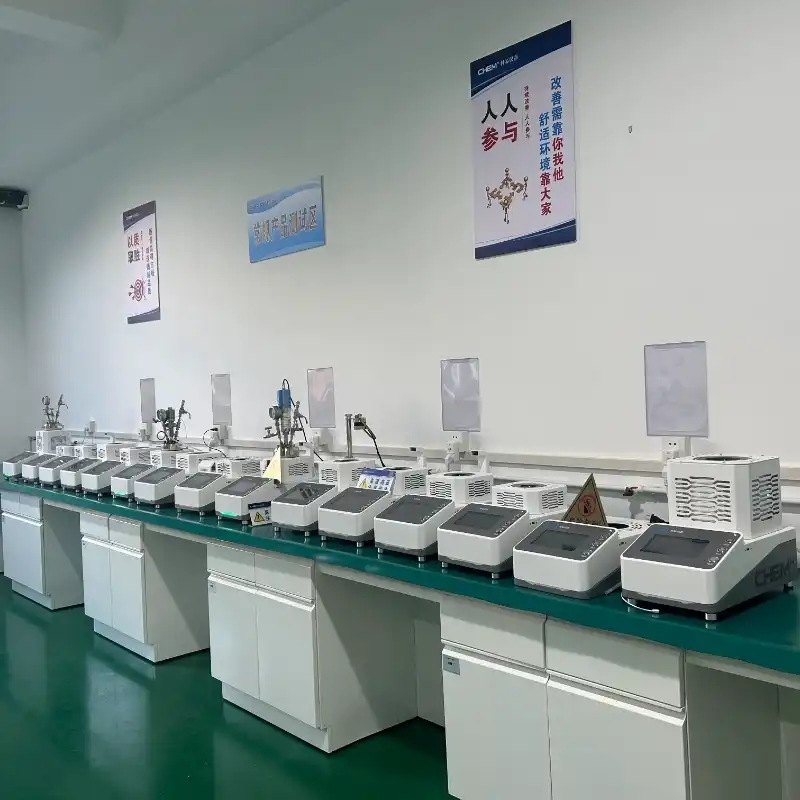
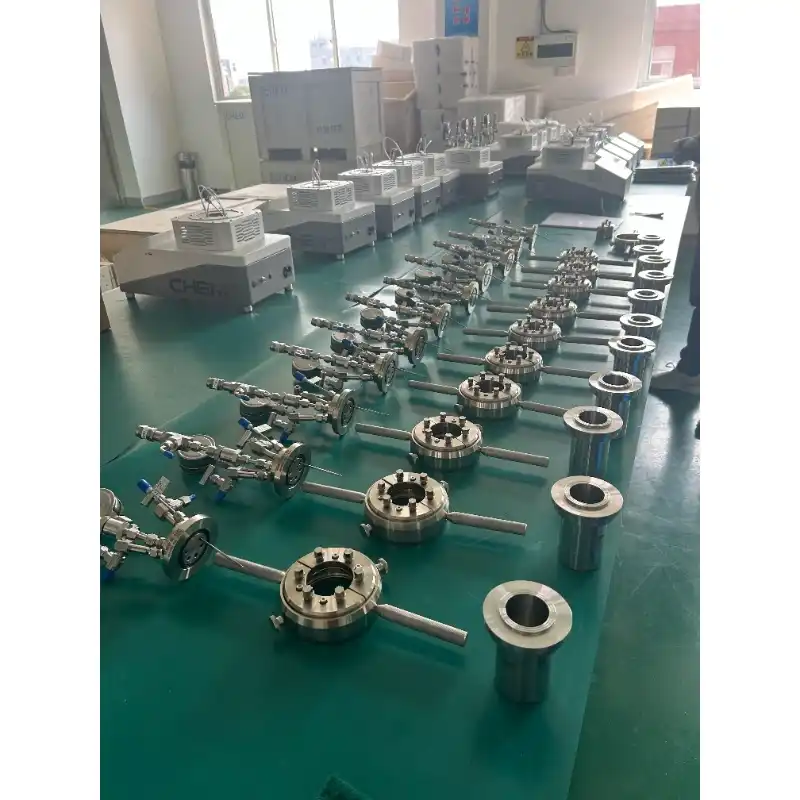
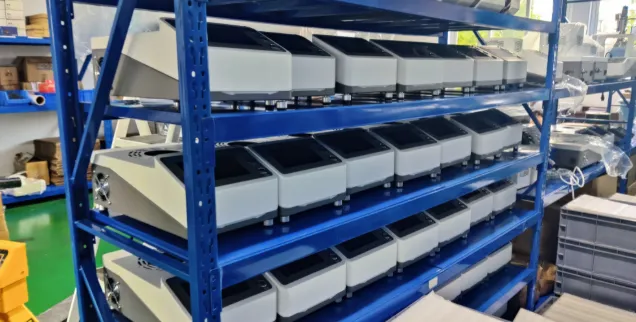
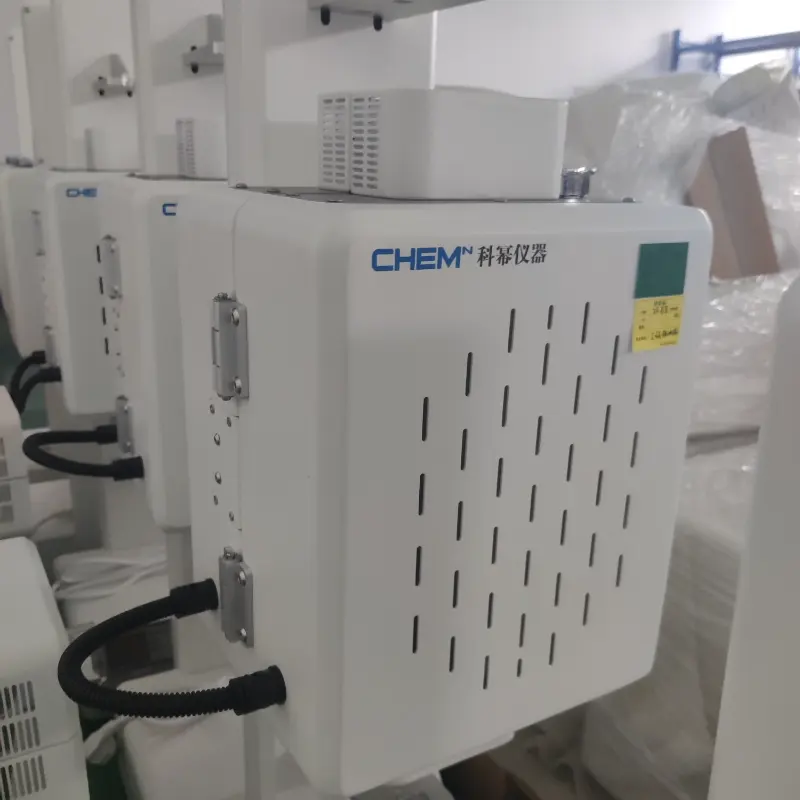
Package and Factory Overview


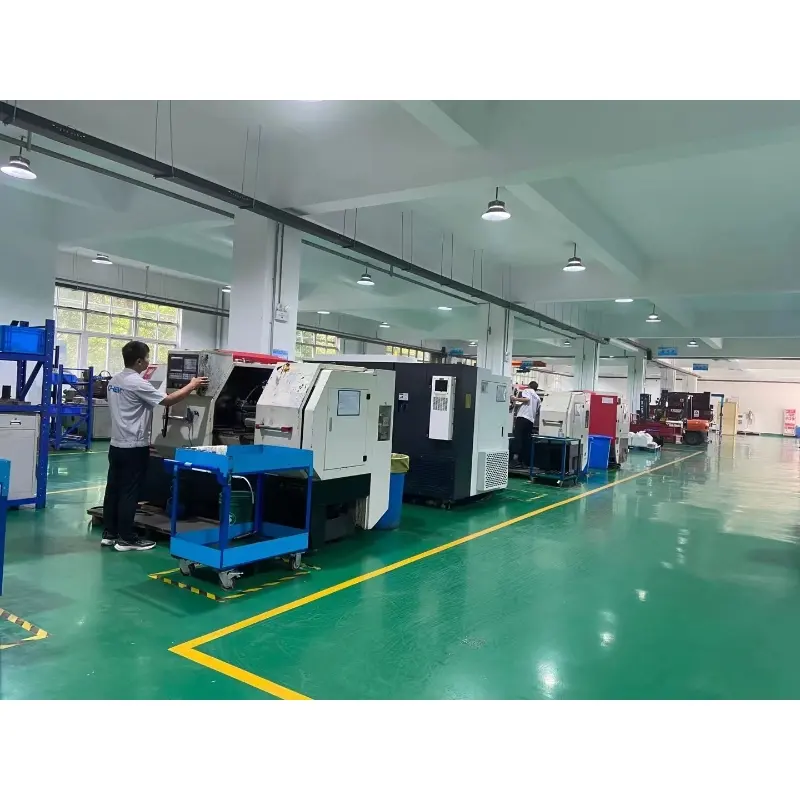
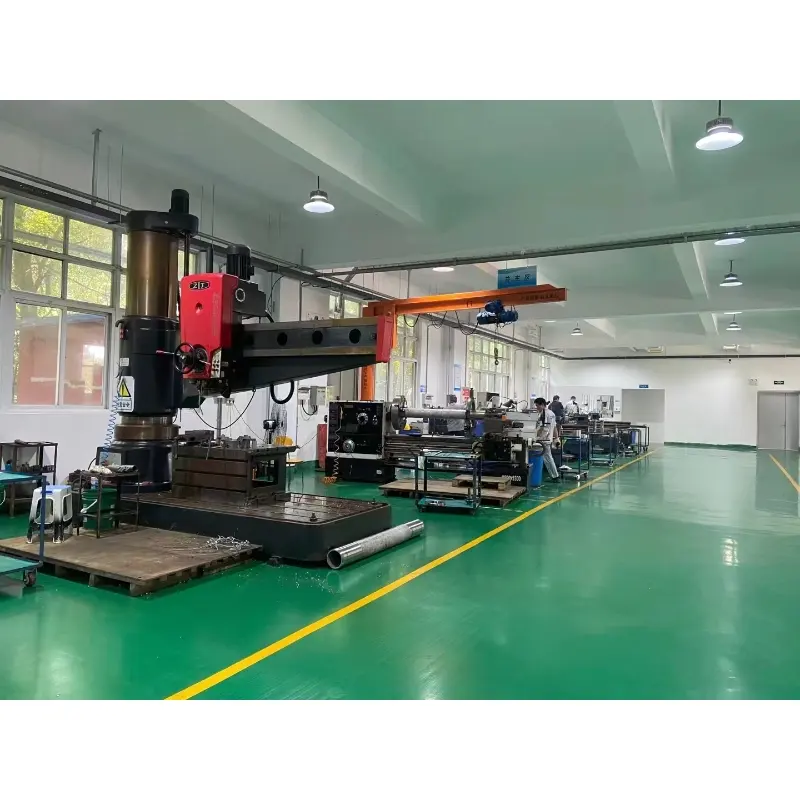
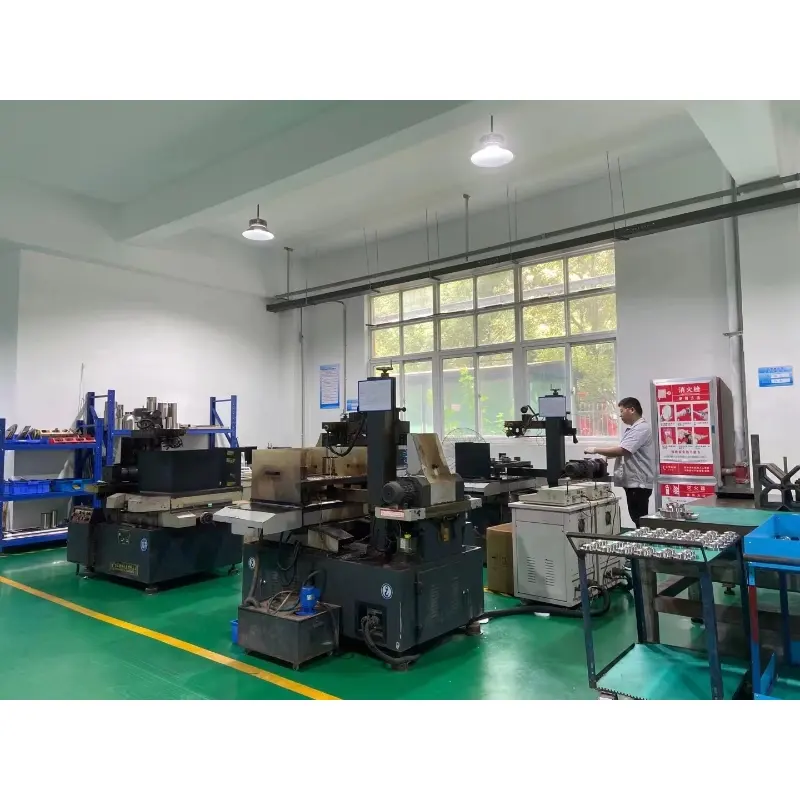
WHY CHOOSE US ?
In a global marketplace filled with choices, we stand out as a reliable and innovative partner for your business needs. Our commitment to quality, efficiency, and customer satisfaction has made us the preferred choice for clients worldwide.
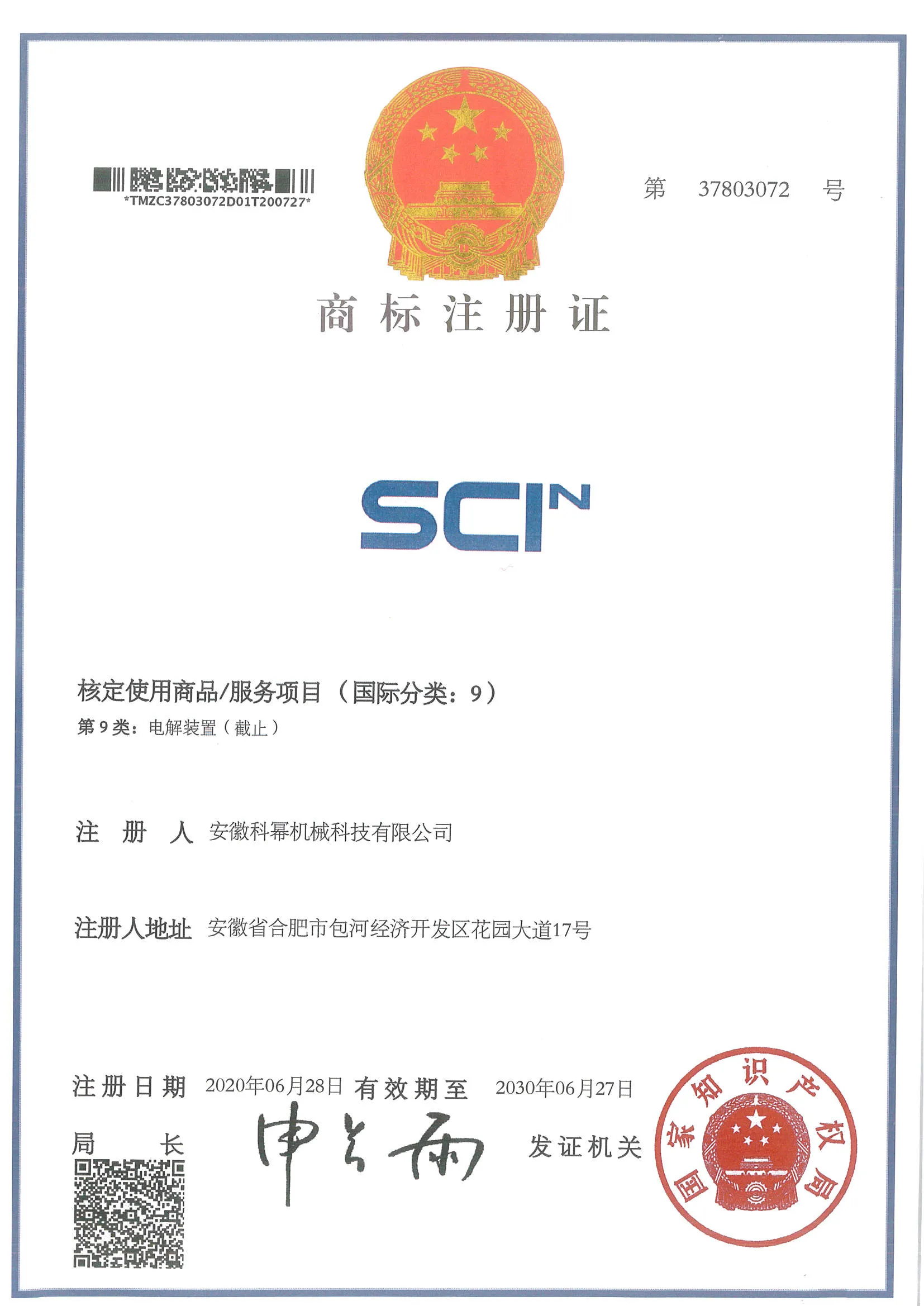
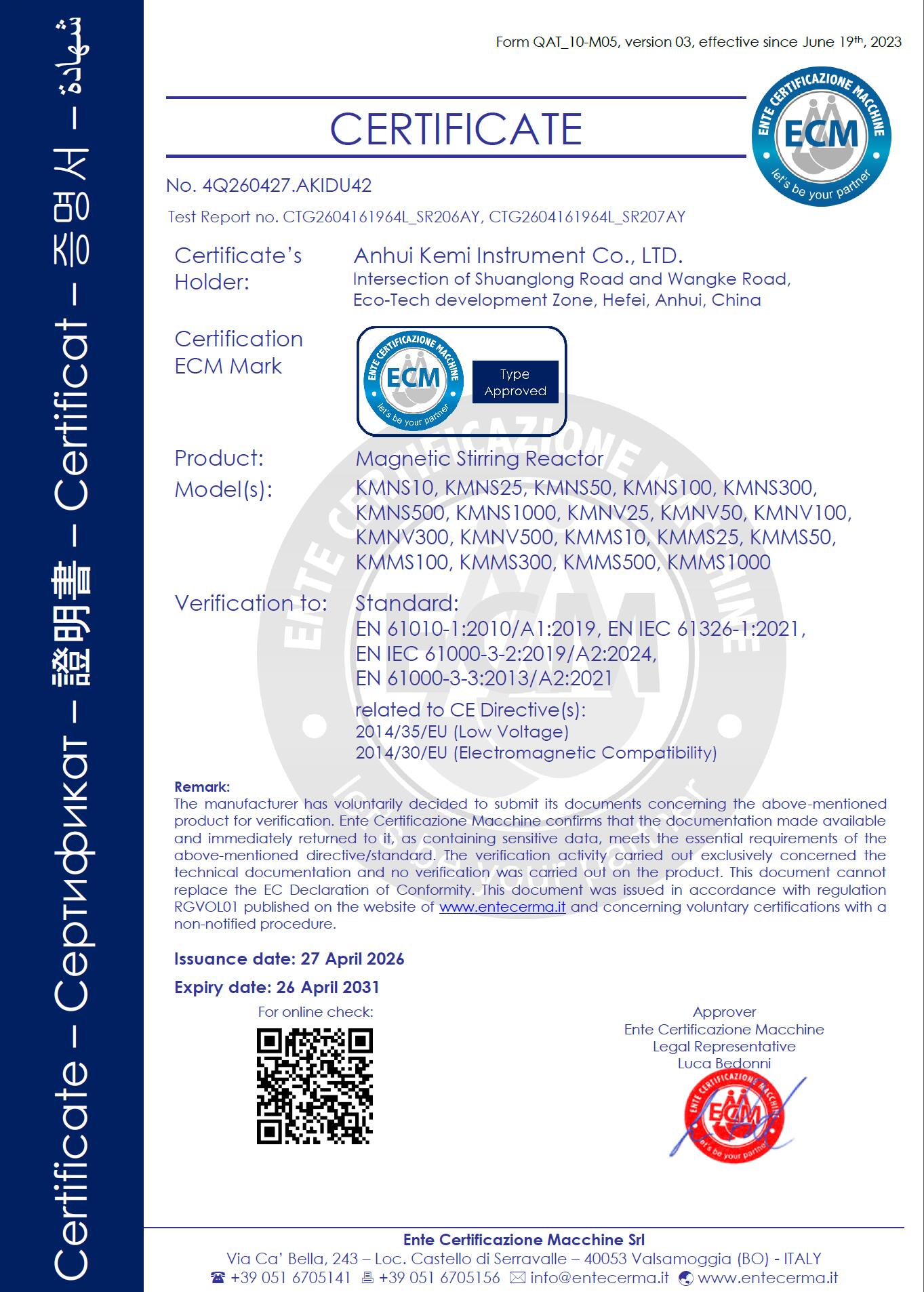
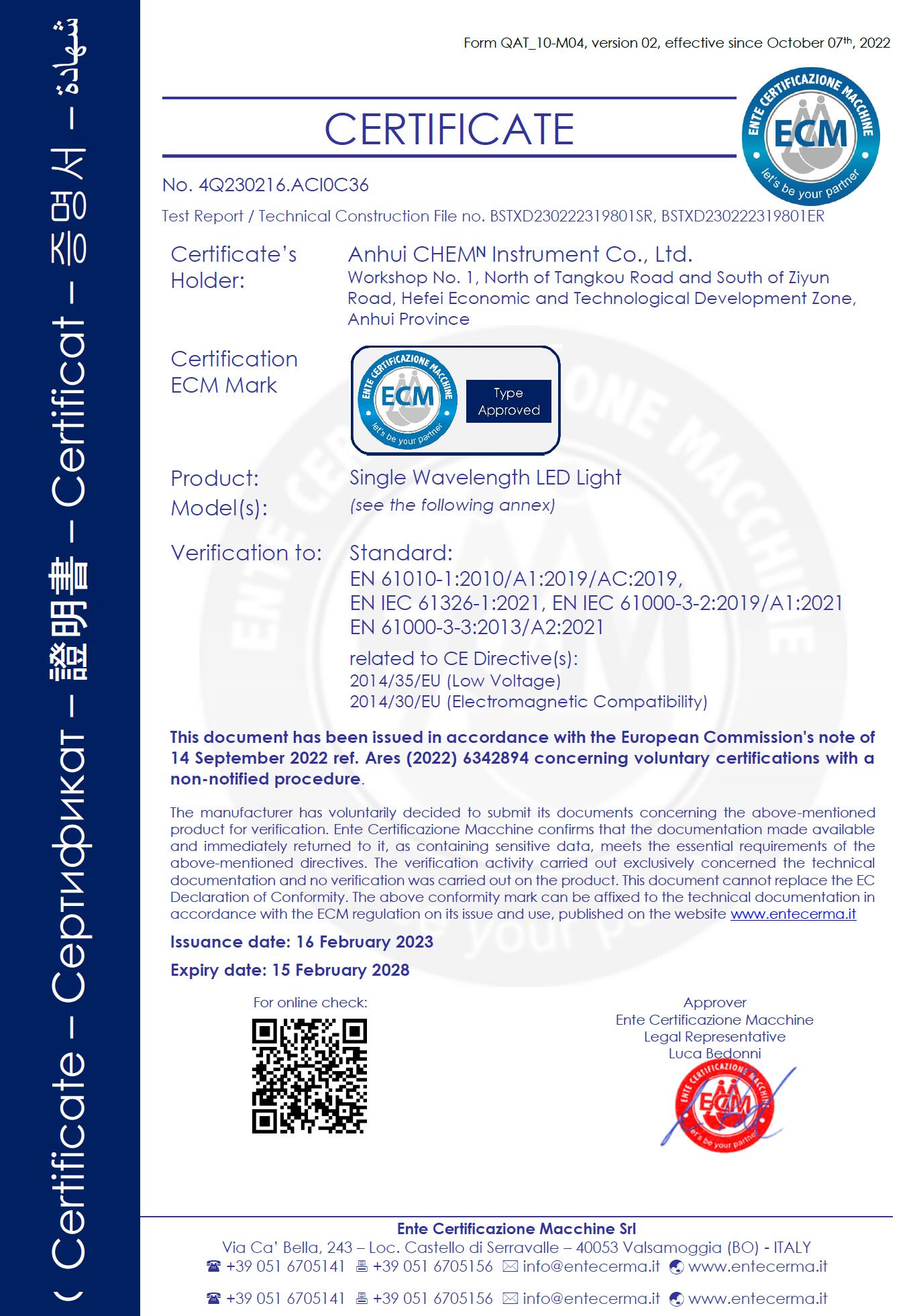
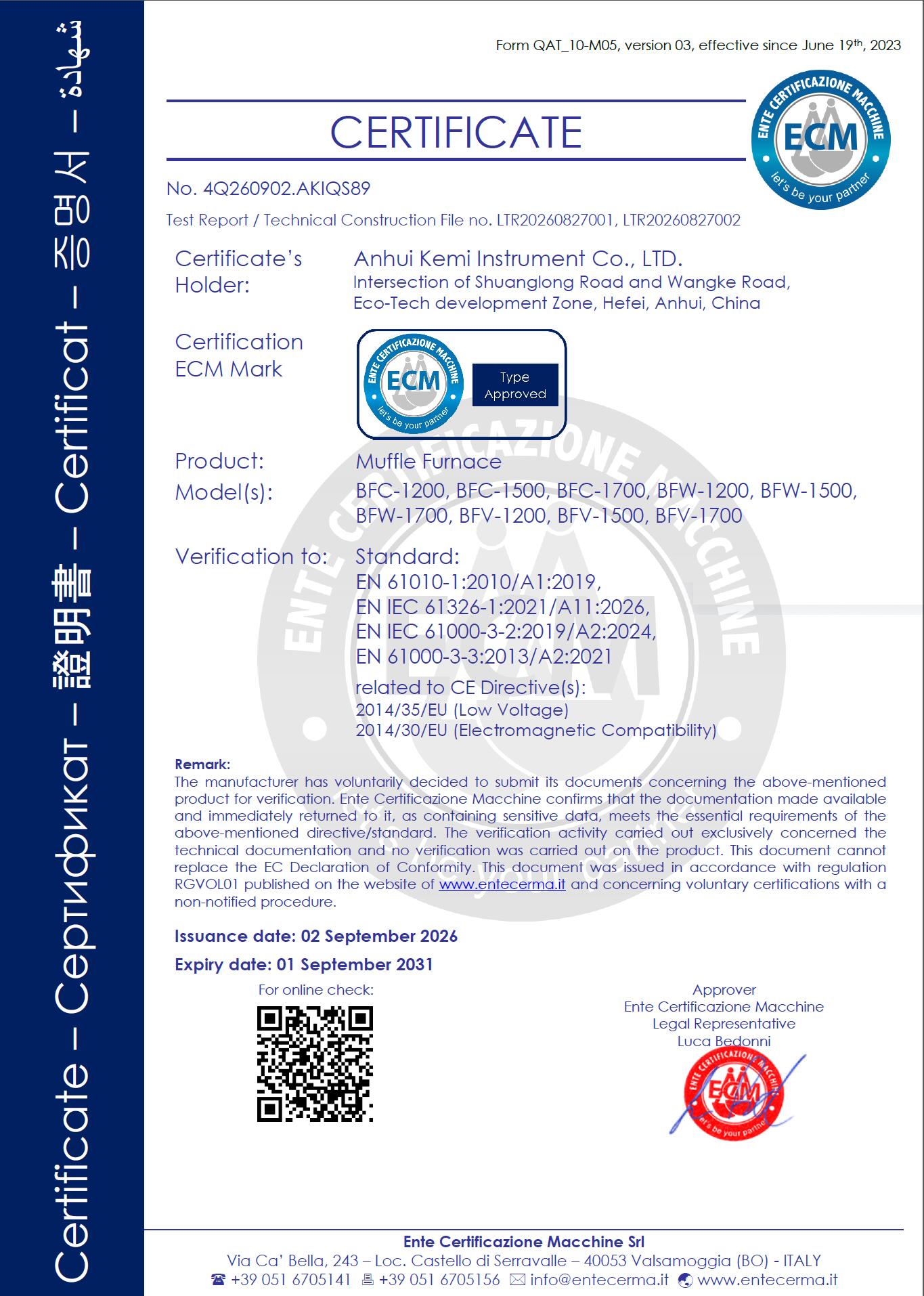
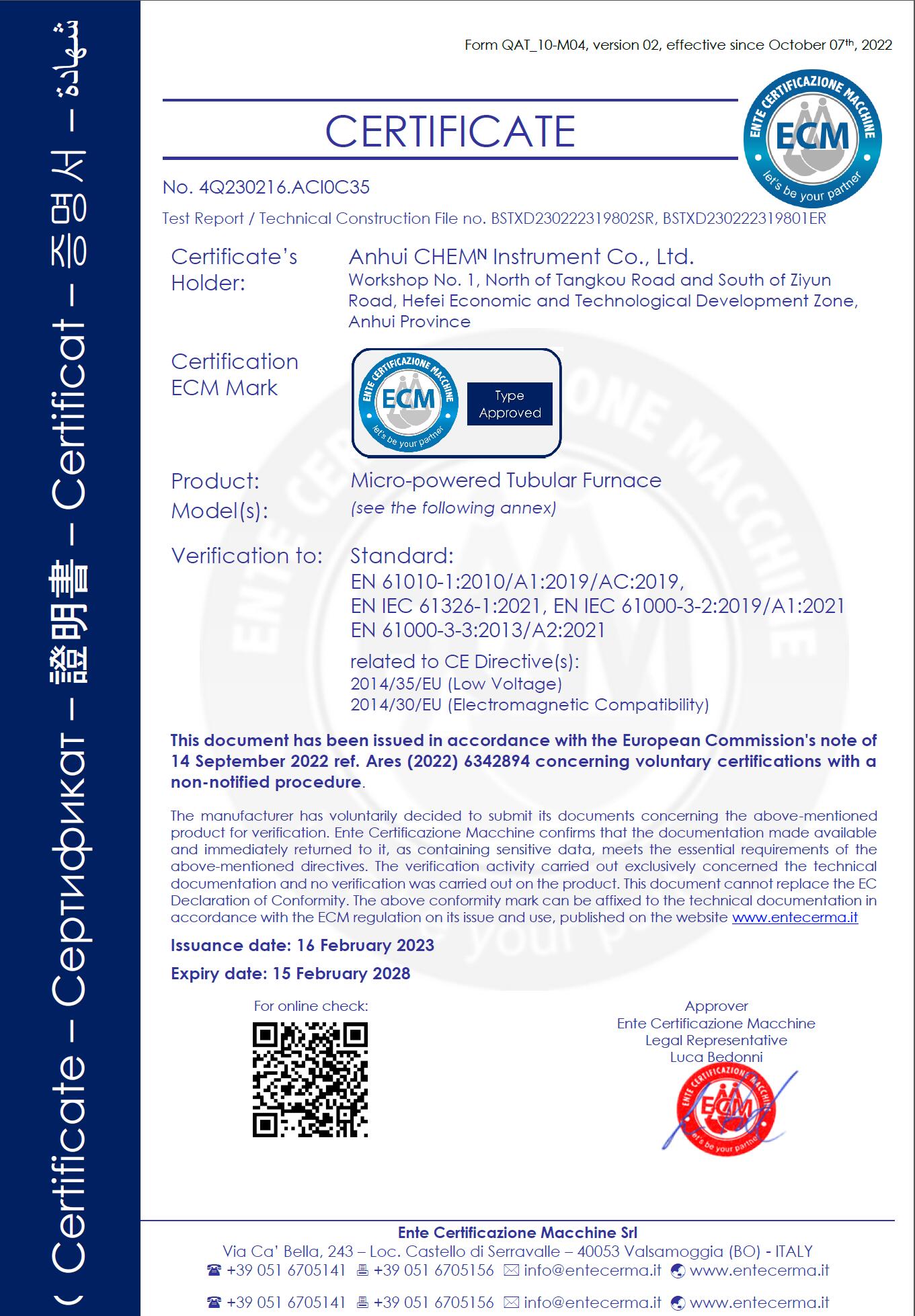
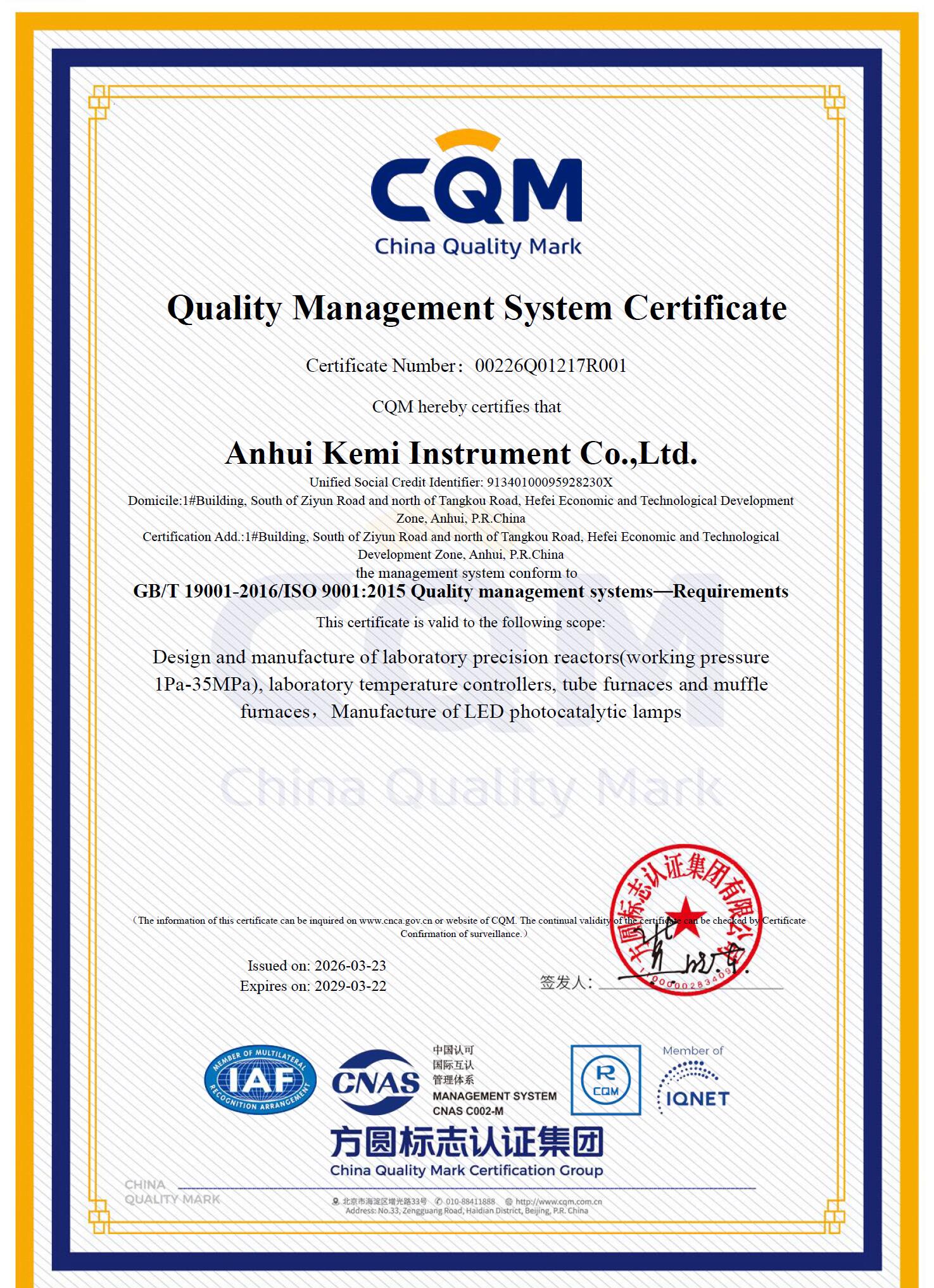
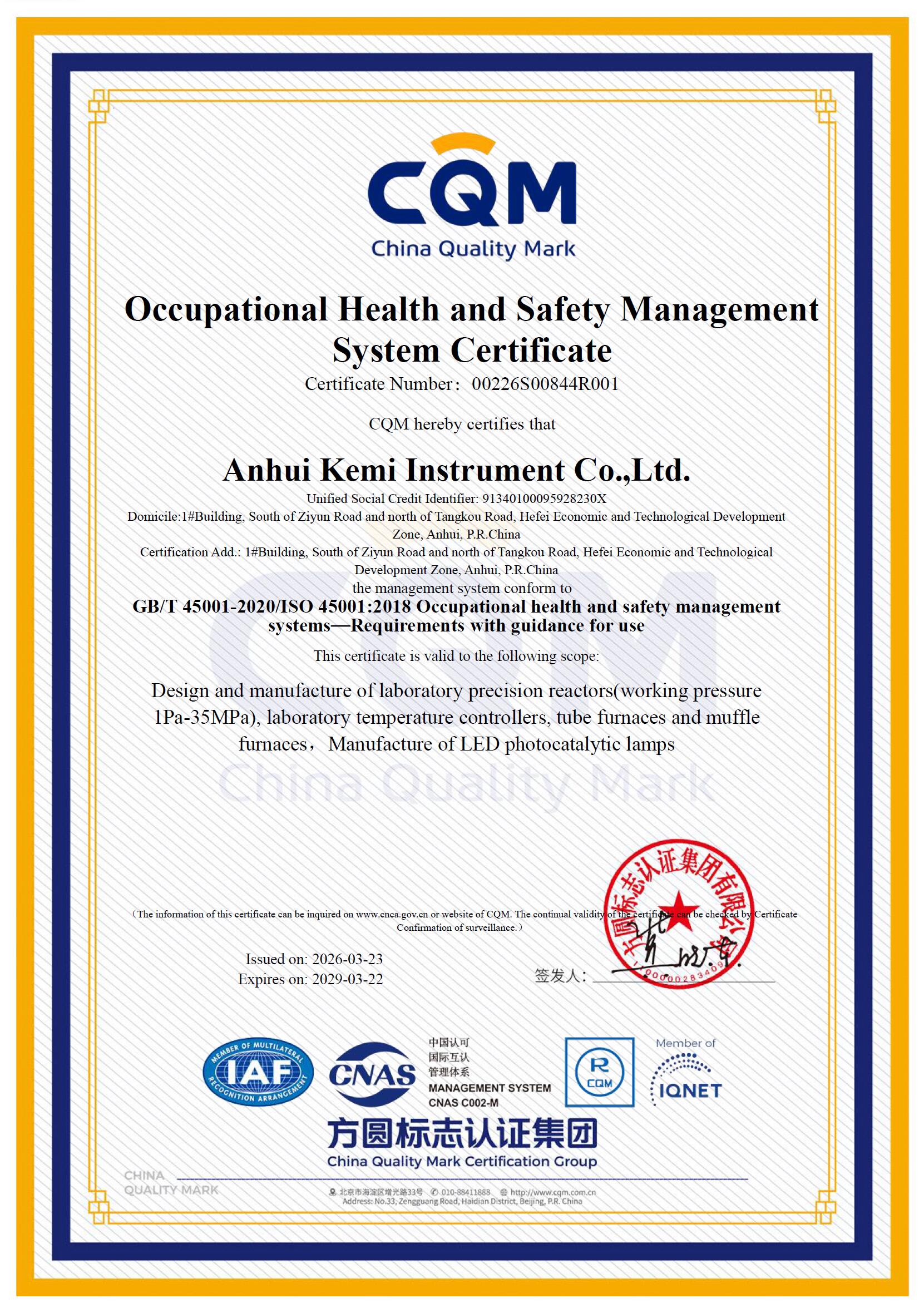
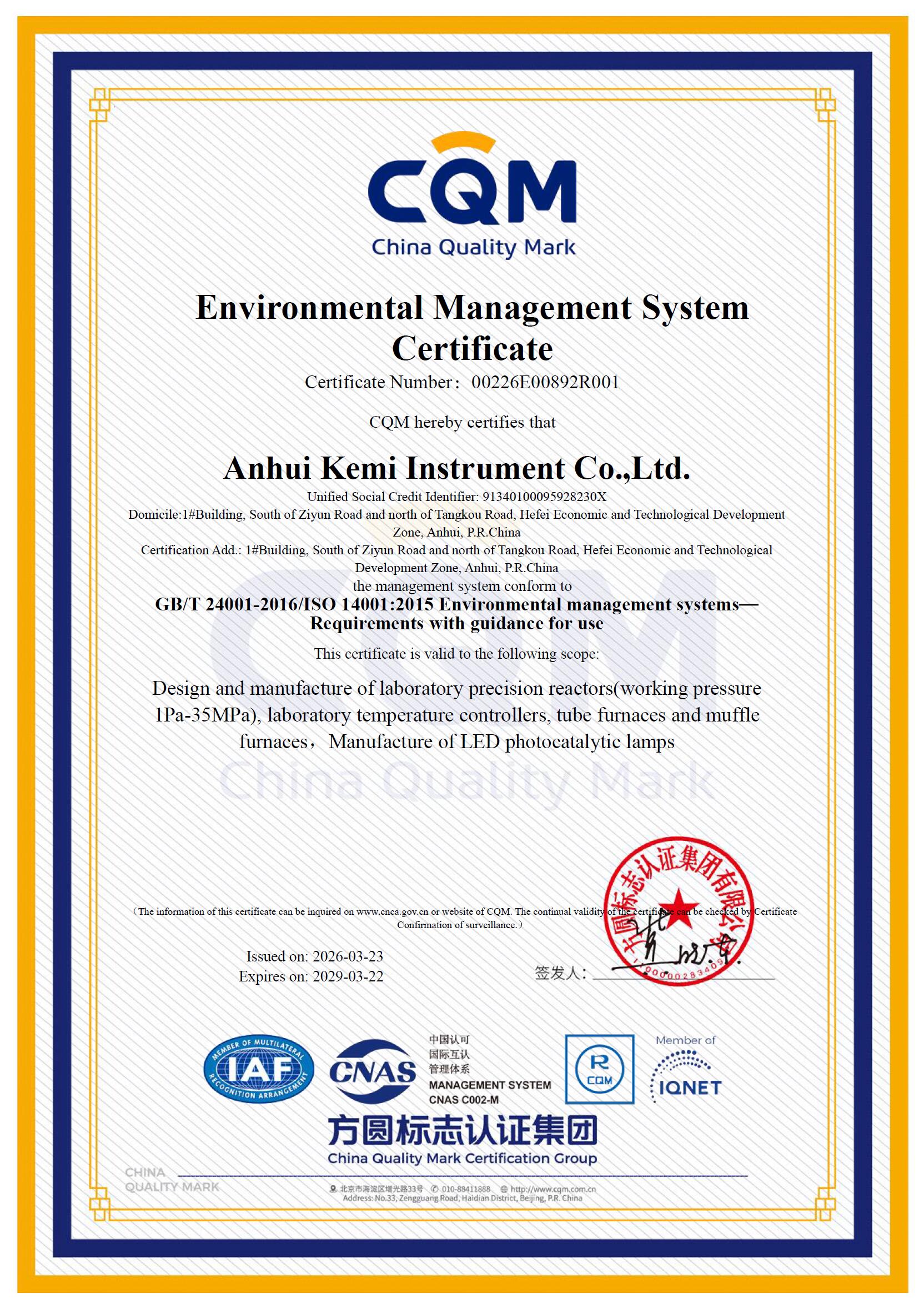
Adhere to strict international quality standards (ISO/CE certified). Each product undergoes 12 inspection processes to ensure zero defects.


With over 12 years in the industry, we’ve served 20000+ clients across 30+ countries, providing customized solutions for diverse needs.
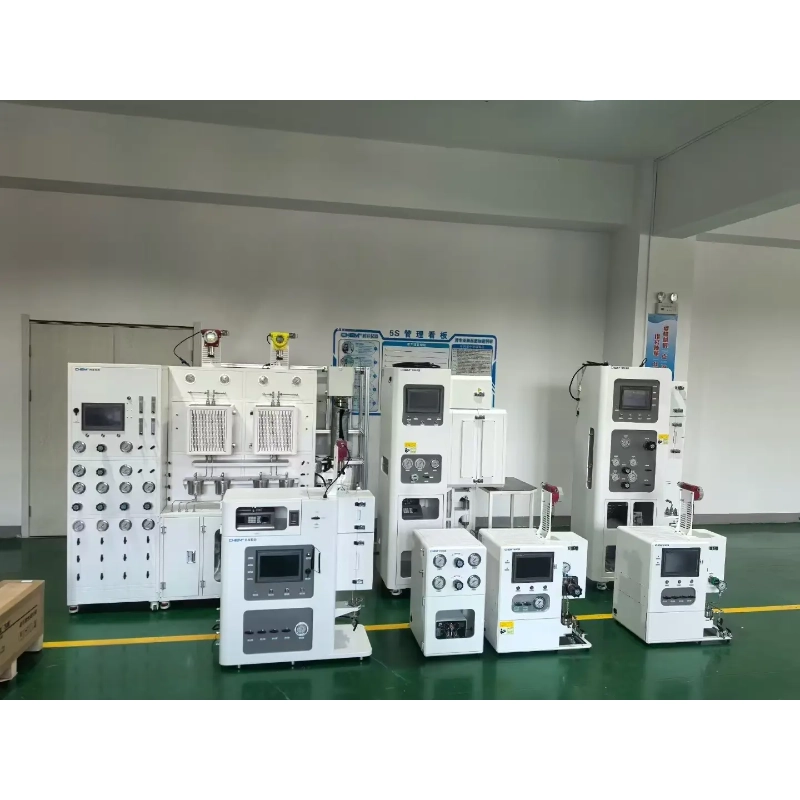
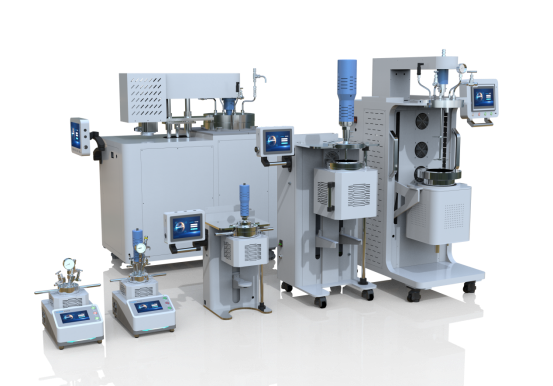
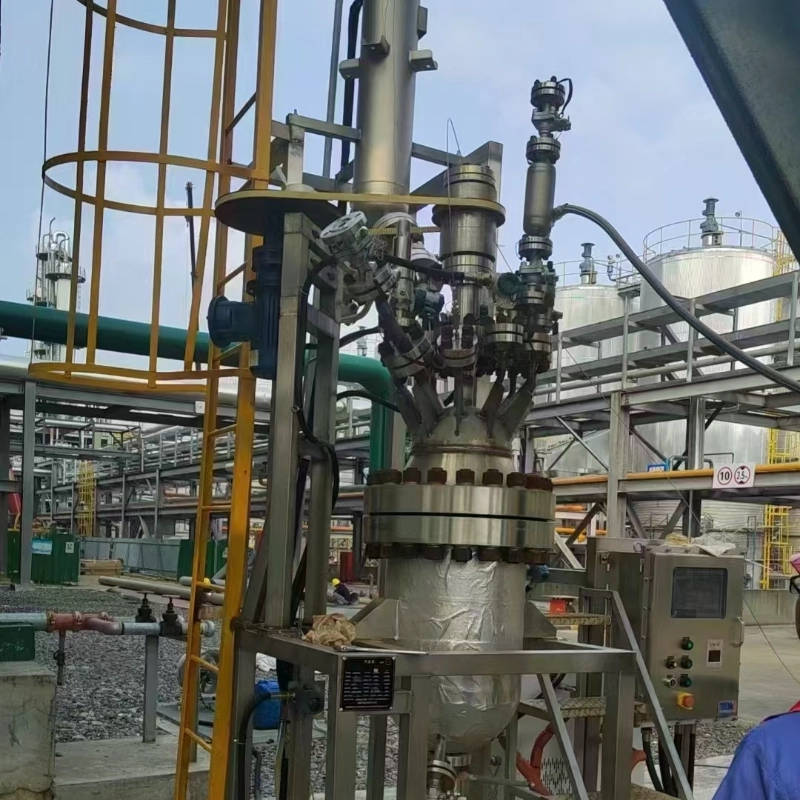
Direct factory supply cuts out middlemen, offering you competitive prices with 10-15% savings compared to the market average.
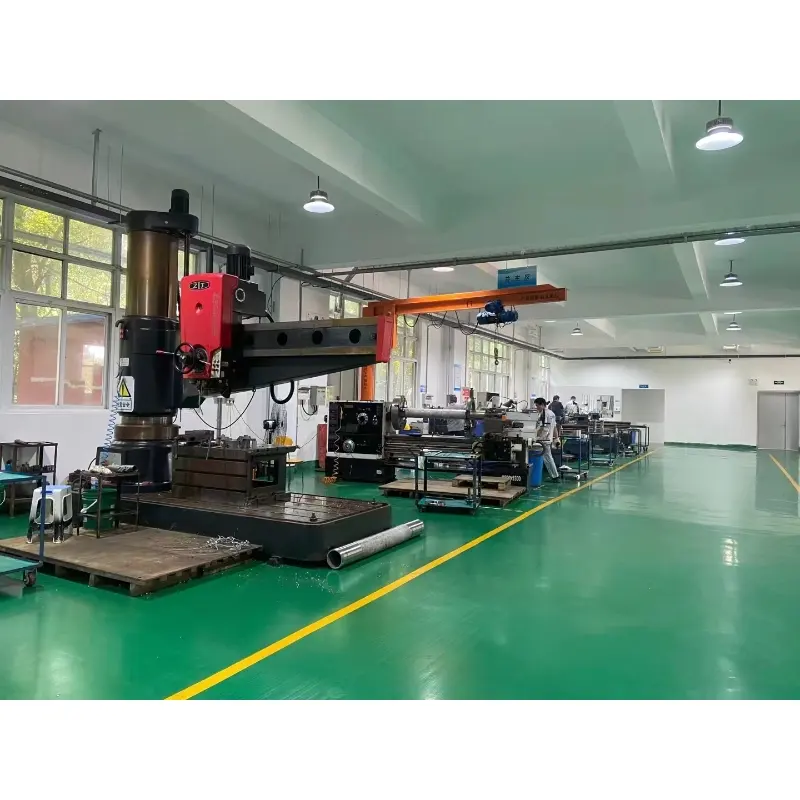
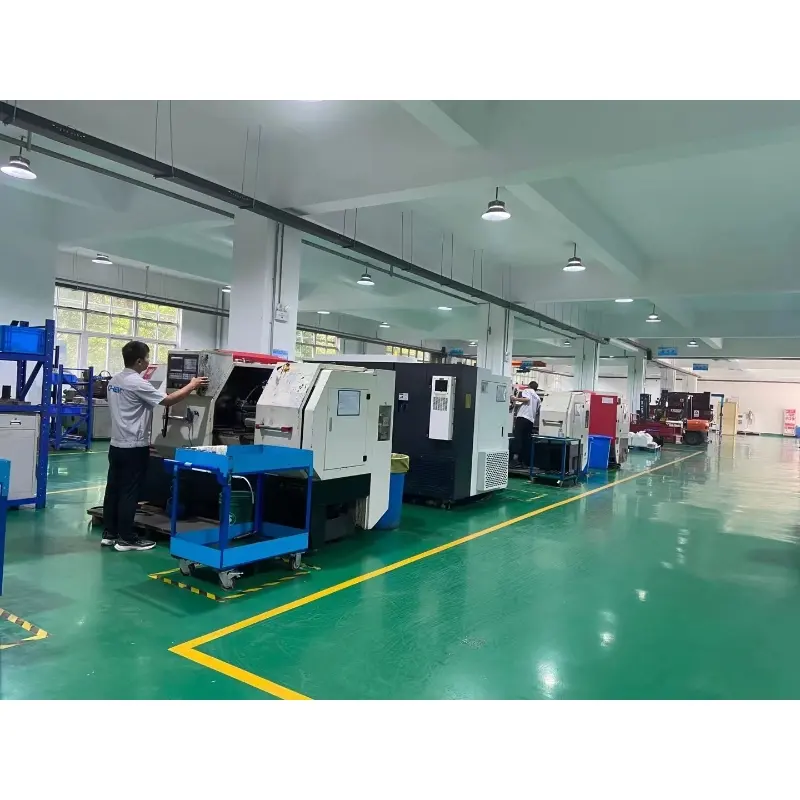
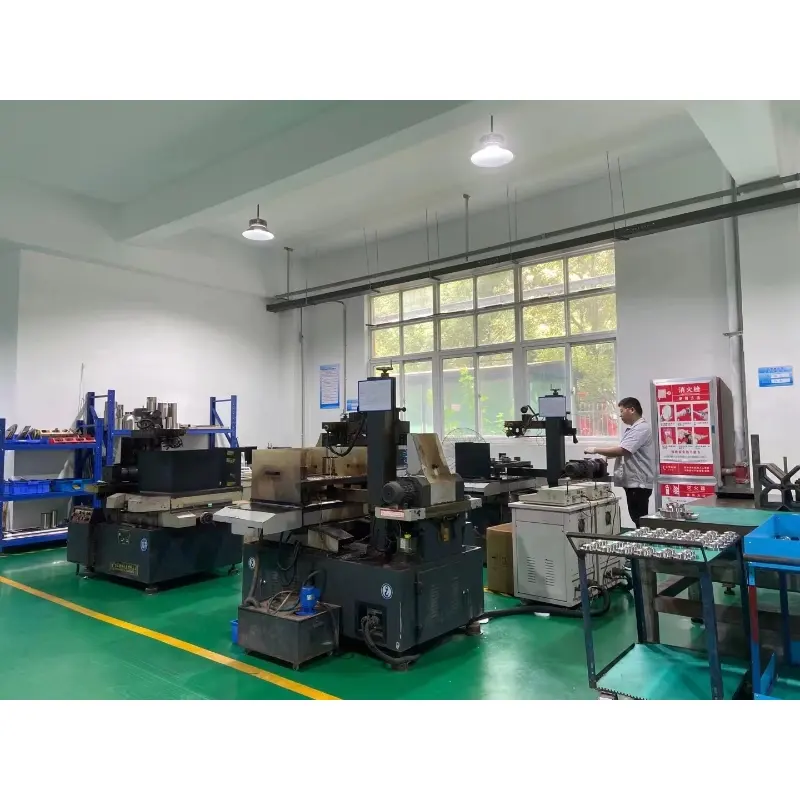
Benefit from our efficient supply chain—80% of orders are delivered within 15 days, even for large volumes.
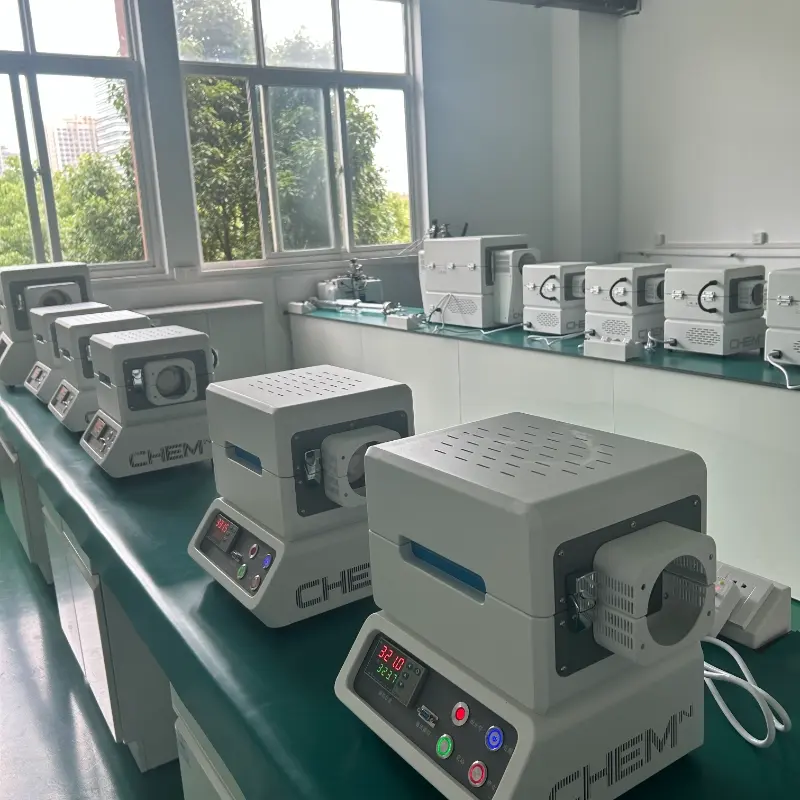
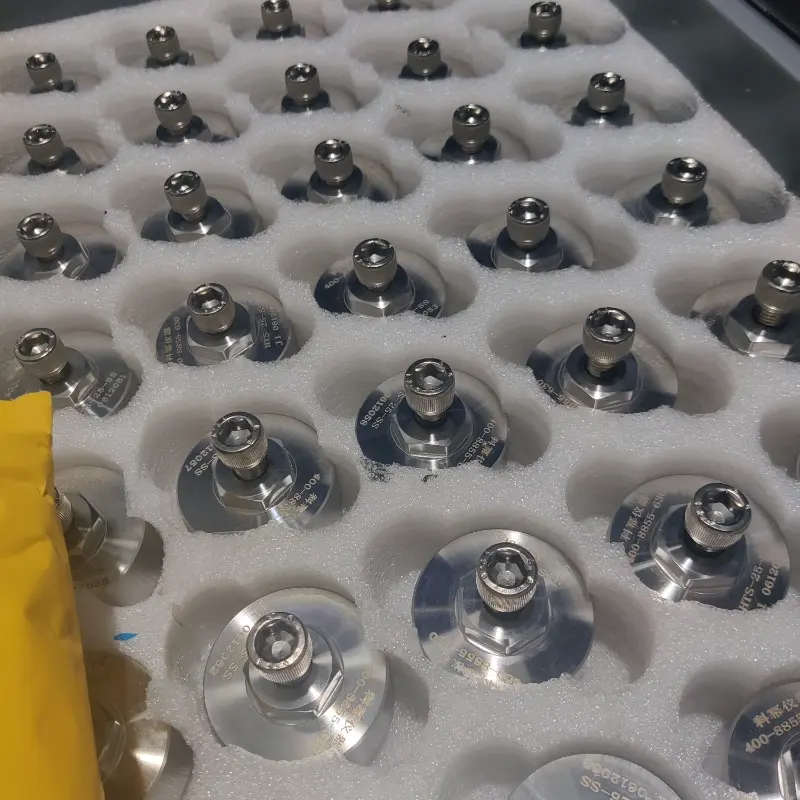
24/7 multilingual support (English, Spanish, Mandarin) and a dedicated account manager ensure seamless communication from inquiry to after-sales.
Our R&D team, consisting of 50+ experts, launches 10+ new products annually, keeping you ahead of market trends.
Ready to experience the difference? Contact us today for a free quote or personalized consultation. Let’s build a successful partnership together!
Shipping & Packing


What are the main applications in scientific research?
Fixed-wavelength LED light sources are workhorses in many research fields:
🔬 Photocatalysis & Photochemistry
This is perhaps the most prominent application area. Single-wavelength LEDs are primarily used for:
- Photocatalytic organic synthesis — driving chemical reactions with light
- Photocatalytic degradation — breaking down organic pollutants, dyes, VOCs, formaldehyde, and other contaminants
- Photocatalytic water splitting — hydrogen/oxygen production from water
- Photocatalytic CO₂ reduction — converting carbon dioxide into valuable fuels
- Quantum efficiency measurement — precisely measuring how efficiently a photocatalyst converts light into chemical energy
- Photoelectrochemical (PEC) testing — studying charge separation mechanisms in photoelectrodes
🧬 Bio & Life Sciences
- Optogenetics — using specific wavelengths (e.g., 456nm, 470nm) to precisely control neurons expressing light-sensitive proteins like channelrhodopsin
- Fluorescence microscopy & excitation — single-wavelength LEDs are ideal for routine clinical screening (e.g., Auramine staining for Tuberculosis) and basic research applications
- Photosynthesis research — studying plant growth and photobiological responses
- Tissue culture — using fixed red/blue wavelength ratios for plant propagation
🔭 Materials & Physical Sciences
- Photoluminescence studies — characterizing how materials emit light under excitation
- Spectroscopy & spectrographic applications — providing stable, narrow-band illumination for precise measurements
- Optical metrology — calibrating photometers and testing spectral responses
- Battery testing — studying photo-assisted energy storage and conversion